Member Introduction
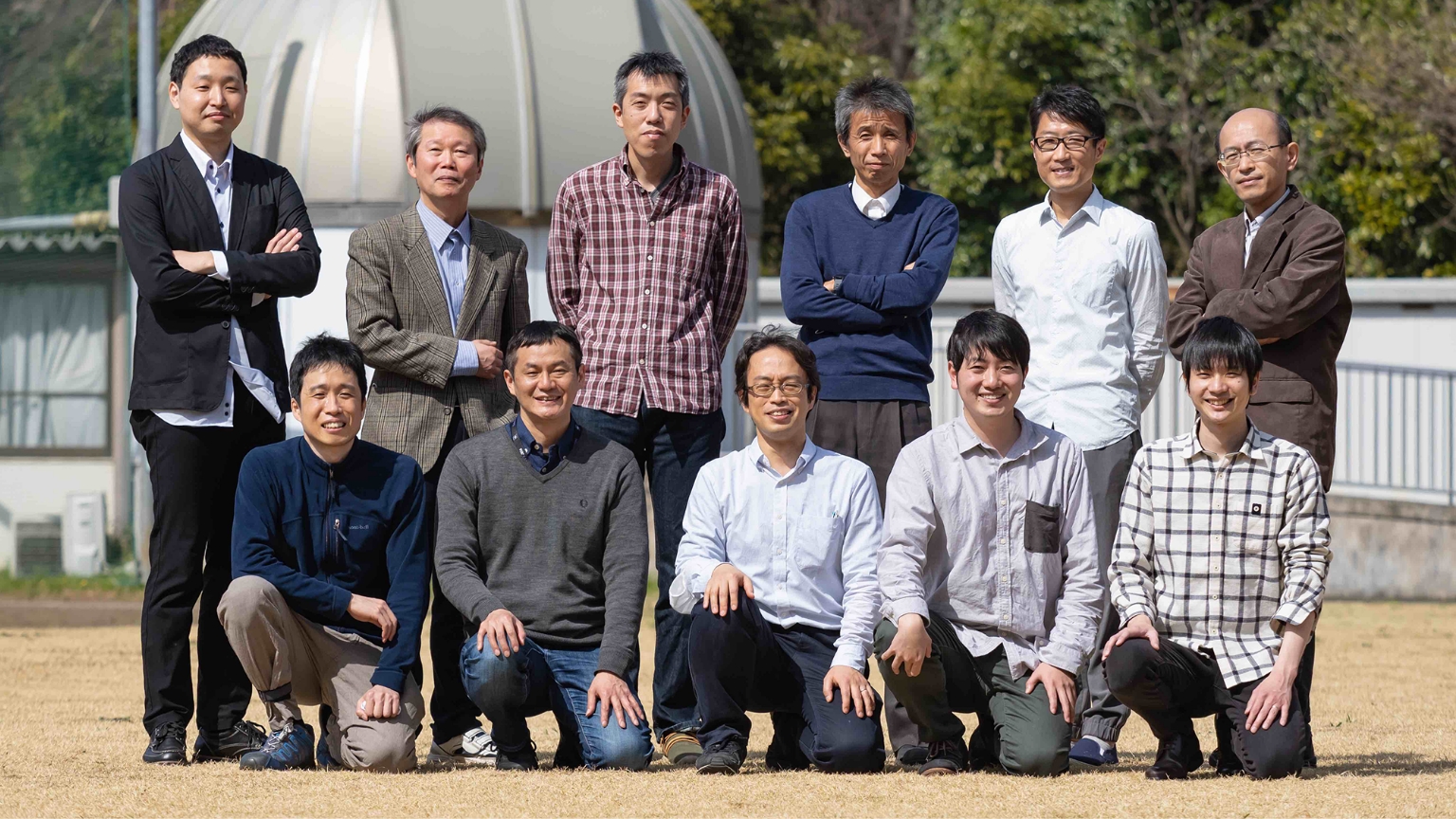
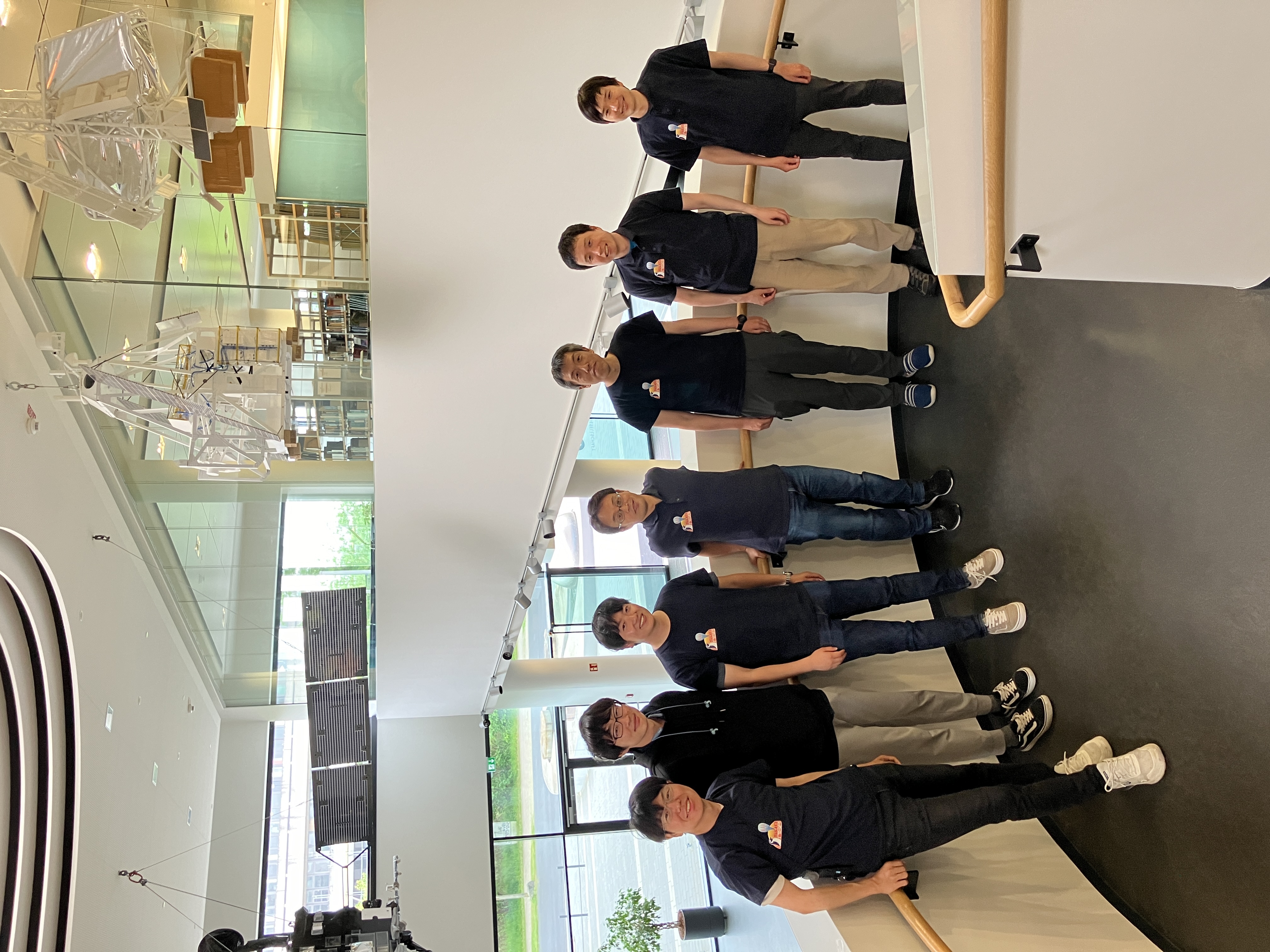
SCIP was developed through the combined effort of researchers and engineers. Some of the optical components were produced in collaboration with the Institute of Space and Astronautical Science (ISAS) and Kyoto University. In addition, the development was carried out in cooperation with an overseas team led by the Spanish Instituto de Astrofísica de Andalucía (IAA).
-
Yukio KatsukawaNational Astronomical Observatory of Japan (NAOJ) / Solar Science Observatory
-
Masahito KuboNational Astronomical Observatory of Japan (NAOJ) / SOLAR-C Project
-
Hirohisa HaraNational Astronomical Observatory of Japan / SOLAR-C project
-
Toshifumi ShimizuJapan Aerospace Exploration Agency (JAXA) / Institute of Space and Astronautical Science (ISAS)
-
Takayoshi ObaKanazawa University / Advanced Reserch Center for Space Science and Technology
-
Yusuke KawabataNational Astronomical Observatory of Japan (NAOJ) / SOLAR-C Project
-
Yoshinori SuematsuNational Astronomical Observatory of Japan / Advanced Technology Center
-
Toshihiro TsuzukiNational Astronomical Observatory of Japan (NAOJ) / Advanced Technology Center (ATC)
-
Fumihiro UraguchiNational Astronomical Observatory of Japan (NAOJ) / Advanced Technology Center (ATC)
-
Kazuya ShinodaNational Astronomical Observatory of Japan (NAOJ) / SOLAR-C Project
-
Takuma MatsumotoNagoya University / Institute for Space-Earth Environmental Reserch
-
Ryotaro IshikawaNational Institute for fusion Science
-
Yoshihiro NaitoSOKENDAI / Astronomical Science Program
-
Carlos Quintero NodaSpain / Instituto de Astrofísica de Canarias (IAC)
-
Shinichi NagataKyoto University
-
Kiyoshi IchimotoKyoto University

Development of the Scan Mirror Mechanism
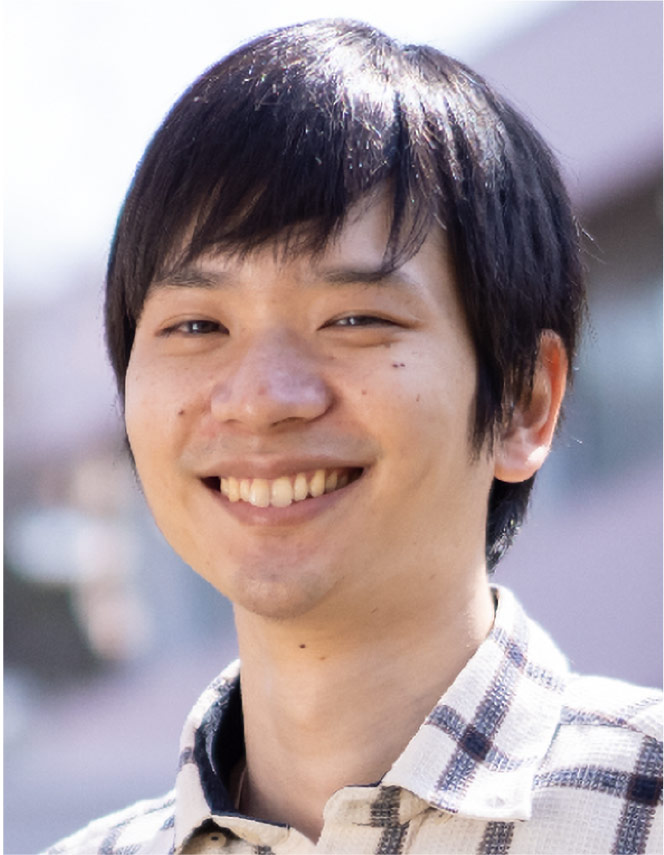
I'm in charge of the development of the Scan Mirror Mechanism, and I've been working on it for more than four years. The experience of "making one thing over several years" was a very valuable opportunity that I had never had before. The selling point of SCIP Scanning Mirror Mechanism is its speed (10 times faster than the solar-observing satellite "Hinode"!), so I am really looking forward to see what kind of data we can obtain.